Key Takeaways:
- Layers are incredibly important; many layers of thin clothing are superior to a few layers of thick clothes
- Make sure to bring spare clothing
- Change clothes if you get wet from sweat, rain, or snow
- Wear two layers of socks to protect from blisters and use thermal socks for warmth
There’s a reason people say that the wilderness is unforgiving. Mother Nature has been actively trying to kill us for as long as the human race has existed, and extreme weather conditions are just one of its many creative attempts. Thankfully, we’ve improved the way we deal with harsh weather through thousands of generations of trial and error, and following these guidelines, we can stay in the deep cold for days without fear of serious health issues.
Layers Will Save Your Life
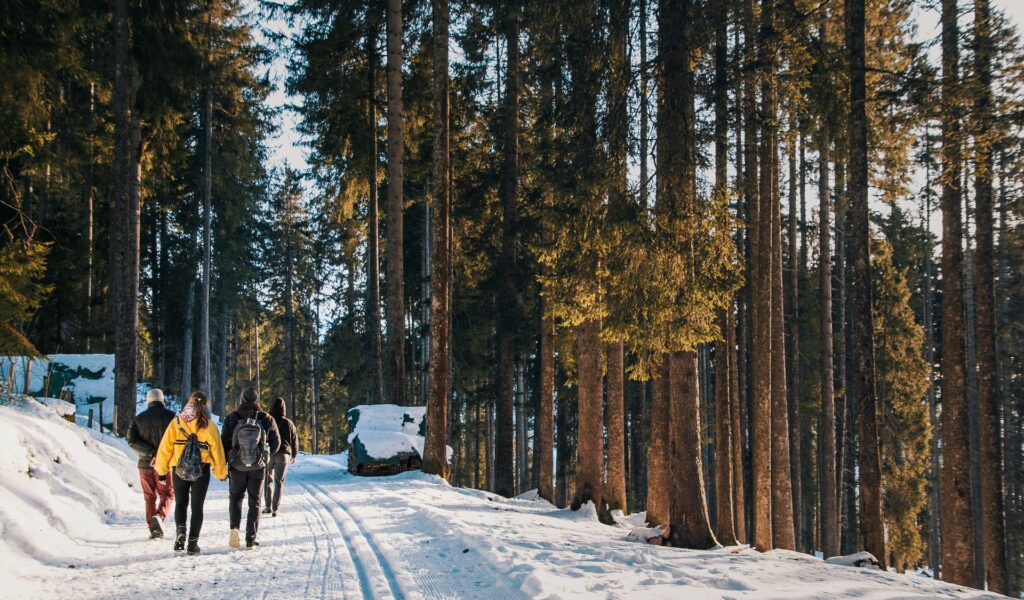
Layers are by far the most important thing to keep in mind when planning a long trip in the winter. There are two primary reasons thin, layered clothing is superior to thick clothing with fewer layers.
Read: What Is Business Process Automation? 9 Real-World Applications
Why Layering Works Better
First of all, you can easily take off a thin layer if it gets too hot. Multiple layers let you lay on (pun intended) the exact amount of clothes you think you need.
Secondly, layered clothes are easier to replace. Let’s say, for example, that you trip and fall into a puddle of water. It’s freezing outside, you’re wet, and now you’re risking hypothermia.
Dealing With Wet Clothing
If you’re wearing several thin layers and you brought spare clothes with you, you can just easily take your wet clothes off and put dry clothes on, leaving your thin clothing to dry. For the record, you can do the same thing with thicker clothes, but thicker clothes will take up more room in your pack, and secondly, they will take much longer to dry if they get wet.
Speaking of getting wet, undershirts are incredibly important – experienced hikers will pack a few of them for a short trip. Even though it’s as cold as your ex-girlfriend’s/boyfriend’s heart outside, you will most certainly sweat if you’re hiking, and a wet back on a cold day is a recipe for disaster.
The Importance of Undershirts
Undershirts are great at soaking up that sweat, but it’s important to take them off once they get too wet, wipe yourself with a towel, and put a fresh, dry undershirt on. Sure, you’ll have to be shirtless for a minute there in the cold, but temporary discomfort is better than prolonged pneumonia caused by wet skin on a cold day.
A Reliable Cold-Weather Layering Setup
The exact layered loadout depends on how cold it is, but it should look something like this (there’s no difference between men’s and women’s clothes in this regard):
- Undershirt
- Base layer
- Thin long-sleeved shirt
- Fleece
- Winter jacket
- Tights
- Hiking pants
- Short socks and thermal socks (yes, two layers of socks)
Adjusting for Conditions
Of course, if it’s not that cold, you can take off the fleece, for example, or if it’s even colder, you can add a scarf or a balaclava, but that depends on the exact temperature and how your body deals with it.
Always Pack Spares
Before we move on to the next tip, we’ll point out that you absolutely have to bring a spare for every piece of clothing. That means double undershirts, double base layers, double socks, etc.
Preventing Frost (and Blisters)
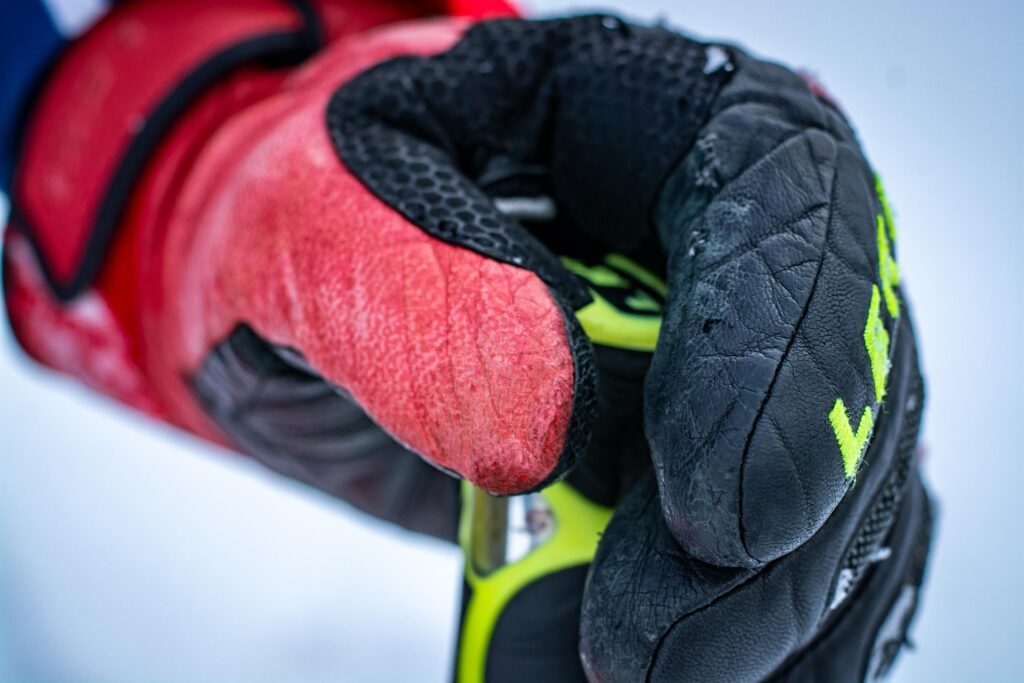
When it comes to low temperatures, your most vulnerable body parts are your hands, feet, and face (for different reasons).
Keep Your Feet Warm and Blister-Free
Starting with your feet, make sure to get thermal socks. They’re worth the investment. As important as thermal socks is another pair of thin socks that you’ll wear as the base layer on your feet – this is incredibly useful in preventing blisters (which is even more important for beginner outdoorspeople).
Choose the Right Boots for Cold Conditions
Your boots are also important. Waterproof hiking boots are pretty much the norm nowadays, as it’s actually harder to find boots that aren’t waterproof than the ones that are. It would also be great if you invested in boots with internal padding, which provides a layer of insulation that will keep your feet warm.
Protect Your Hands From the Cold
Regarding your hands, no tool or piece of clothing offers better protection and insulation than a good pair of winter gloves. Just like thermal socks, they’re most definitely worth the investment.
However, if you have problems with your circulation, your hands likely warm up harder than the average person’s. In that case, you can use gel hand warmers. No, they’re not gels that you rub on your hands, but small metal disks covered in gels that you keep in your hands. As you massage them, they release heat; a must-have for anyone with consistently cold hands.
Shield Your Face From Harsh Air
Finally, when it comes to your face, your mouth, and your nose are the most sensitive parts in extreme cold. Your nose is going to be breathing in a lot of cold air, and to help with the uncomfortable sensation, it’d be good to use a mouth and nose cover. Runners, cyclists, and hikers use them all the time because the thin layer of cloth helps a lot with the cold air.
Your lips are also incredibly sensitive and prone to frost, so you want to keep them covered at all times if possible.
Author’s Bio
Kevin Green with Army Surplus World writes about military suprlus clothing, survival gear, and everyday preparedness. Based in Houston, Texas, Army Surplus World’s content reflects decades of experience in the surplus industry and a passion for practical, dependable equipment.