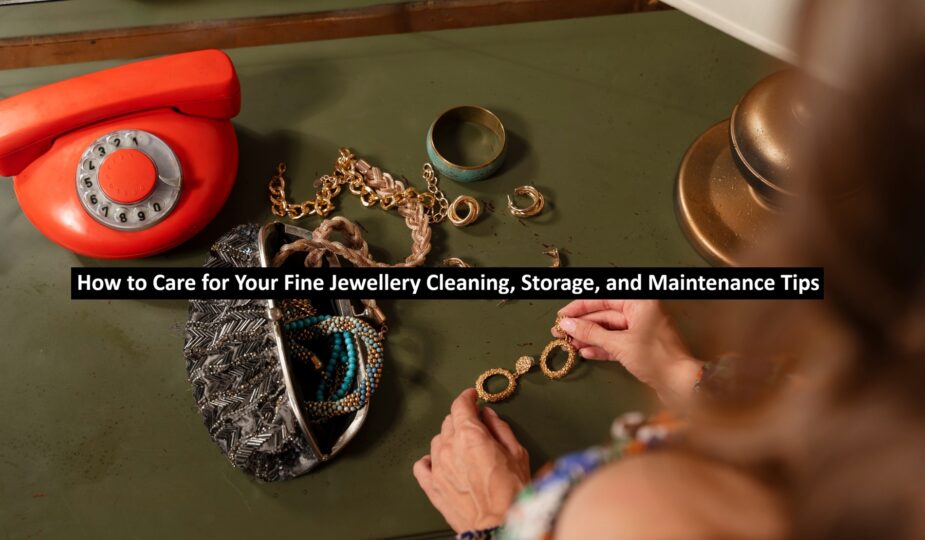
Fine jewellery is more than an accessory—it is a personal treasure, a symbol of milestones, and often a cherished heirloom passed through generations. Whether it’s your engagement ring, a gold bracelet gifted on a special occasion, or a set of diamond earrings you wear on repeat, proper care ensures every piece stays radiant, secure, and long-lasting. Understanding how to clean, store, and maintain your jewellery is essential for keeping its beauty and value intact. Here’s your complete guide to fine jewellery care.
Why Jewellery Care Matters
Fine jewellery is crafted from precious metals and gemstones, many of which are durable but not indestructible. Everyday exposure to lotions, dust, perfumes, chemicals, humidity, and rough surfaces can dull stones, weaken clasps, and cause scratches or discoloration over time. Regular care not only preserves brilliance but also prevents costly repairs and extends the life of your pieces.
Cleaning Your Fine Jewellery
Cleaning doesn’t have to be complicated. The right method depends on the metal and gemstones in your piece. Here’s how to do it safely at home.
1. Gentle Cleaning for Everyday Pieces
Most gold, platinum, and gemstone jewellery can be cleaned using a mild solution:
What you need:
- A bowl of warm water
- A few drops of mild dish soap
- A soft-bristled toothbrush
- A lint-free cloth
Steps:
- Mix warm water with dish soap to create a gentle cleaning solution.
- Soak your jewellery for 15–20 minutes.
- Gently brush around settings, crevices, and under stones.
- Rinse under warm running water.
- Pat dry with a lint-free cloth.
This method works well for diamonds, sapphires, rubies, gold pieces, and platinum jewellery.
Read: Serving Up Fresh Starts with a Restaurant Moving Company Los Angeles
2. Ultrasonic Cleaners: Use with Caution
Ultrasonic cleaners use vibrations to remove dirt, but they are not safe for all jewellery. Avoid using them for:
- Emeralds
- Opals
- Pearls
- Morganite
- Treated or fracture-filled stones
- Antique jewellery with delicate settings
If unsure, consult a professional jeweller before using an ultrasonic machine.
3. Pearl Jewellery Cleaning
Pearls are extremely delicate and porous, so they require special care.
Do:
- Wipe pearls gently with a soft, damp cloth after each wear.
- Lay them flat to dry to protect the silk thread.
Don’t:
- Soak pearls in water.
- Use detergents, chemicals, or ultrasonic cleaners.
- Hang pearl necklaces to dry, as the wet thread can stretch.
A professional restringing every 1–2 years ensures your pearl necklaces remain secure and beautiful.
4. Silver Jewellery Cleaning
Silver tarnishes naturally when exposed to air. To clean:
- Use a silver polishing cloth for light tarnish.
- For heavier tarnish, create a paste of baking soda and water, rub gently, rinse, and dry.
- Store silver pieces in anti-tarnish pouches to slow oxidation.
Storing Your Fine Jewellery
Proper storage prevents scratches, tangles, tarnish, and accidental damage. Here’s how to protect your collection.
1. Use Dedicated Jewellery Boxes
Choose a jewellery box with:
- Soft lining
- Divided compartments
- Separate ring rolls, necklace hooks, and earring slots
This prevents pieces from rubbing against each other and scratching.
2. Store Metals Separately
Different metals have different hardness levels. For example, gold scratches more easily than platinum. Always store:
- Gold in individual pouches
- Silver in anti-tarnish bags
- Diamond jewellery separately (diamonds can scratch other stones)
3. Avoid Humidity and Sunlight
Moisture can accelerate tarnishing, while UV exposure can damage certain gemstones like amethyst or topaz.
Store your jewellery:
- In a cool, dry place
- Away from windows
- With silica gel packs to absorb moisture
4. Keep Jewellery Away from Chemicals
Avoid storing jewellery near:
- Perfumes
- Hairsprays
- Bleach or household cleaners
- Cosmetics
These chemicals can dull metals and damage gemstones.
5. Travel Storage Tips
When travelling:
- Use a compact travel jewellery organizer
- Keep each piece in a zip pouch or soft fabric pocket
- Avoid throwing jewellery loose in a bag or suitcase
For extra security, carry expensive jewellery in your personal bag, not checked luggage.
Maintenance Tips: Keeping Your Jewellery in Excellent Condition
Routine maintenance prevents minor issues from becoming major repairs. Here’s what experts recommend.
1. Get Professional Inspections Twice a Year
Visit your jeweller every 6–12 months for a quick check. They will examine:
- Prongs
- Claws
- Clasps
- Chain links
- Stone settings
Loose stones or weakened metal can be fixed before they fall out or break.
2. Re-Plate, Re-Polish, or Re-Finish as Needed
Depending on wear:
- White gold may need rhodium re-plating every 1–2 years to maintain its shine.
- Gold and platinum may benefit from professional polishing to remove scratches.
- Silver jewellery may need anti-tarnish treatments and polishing.
These services keep jewellery looking new without affecting the integrity of the piece.
3. Restring Beaded or Pearl Jewellery
If you wear your pearl or beaded necklace often, restringing once a year is recommended. Look for silk thread and knots between each pearl to prevent rubbing and loss.
4. Remove Jewellery During Activities
To protect your jewellery:
- Take off rings when washing dishes, cleaning, or using harsh chemicals.
- Avoid wearing jewellery during intense exercise or swimming.
- Remove delicate bracelets or chains before sleeping.
Chlorine in pools and saltwater can corrode metals, while physical activity increases the risk of impact damage.
5. Apply Products Before Wearing Jewellery
Lotions, perfumes, hairsprays, and sunscreens leave residues that dim sparkle and may cause metal weakening.
Always apply products first, allow them to dry, and then put on your jewellery.
6. Avoid Frequent Touching of Gemstones
Oils from your skin build up on diamonds and gemstones, reducing brilliance. Handle jewellery by the band or edges whenever possible.
Special Care for Different Metals
Gold Jewellery
- Keep away from chlorine.
- Polish with a gold-safe cloth.
- Store separately due to its softness.
Platinum Jewellery
- Requires less maintenance but can still develop patina.
- Professional polishing restores shine.
Rose Gold
- Copper content can cause color changes if exposed to harsh chemicals.
- Clean gently and avoid abrasives.
Special Care for Gemstones
Diamonds
- Clean regularly—they attract oils easily.
- Store separately to protect other jewellery.
Opals
- Sensitive to temperature changes.
- Never use ultrasonic cleaners.
Emeralds
- Oiled for clarity—avoid detergents and heat.
- Clean with a soft cloth only.
Sapphires & Rubies
- Very durable but still need separate storage.
- Safe for mild soap cleaning.
Conclusion
Fine jewellery is meant to be worn, enjoyed, and passed down—but only when cared for properly. With regular cleaning, smart storage, and routine professional maintenance, your treasured pieces will stay stunning and secure for years to come. By following these simple yet effective practices, you’ll protect both the beauty and sentimental value of every item in your jewellery collection.
Author’s Bio:
Diana Patterson is a jewellery blogger based in London, UK. She covers contemporary jewellery designs while collaborating with industry insiders and designers like Hancockslondon to get insight on the latest trends.